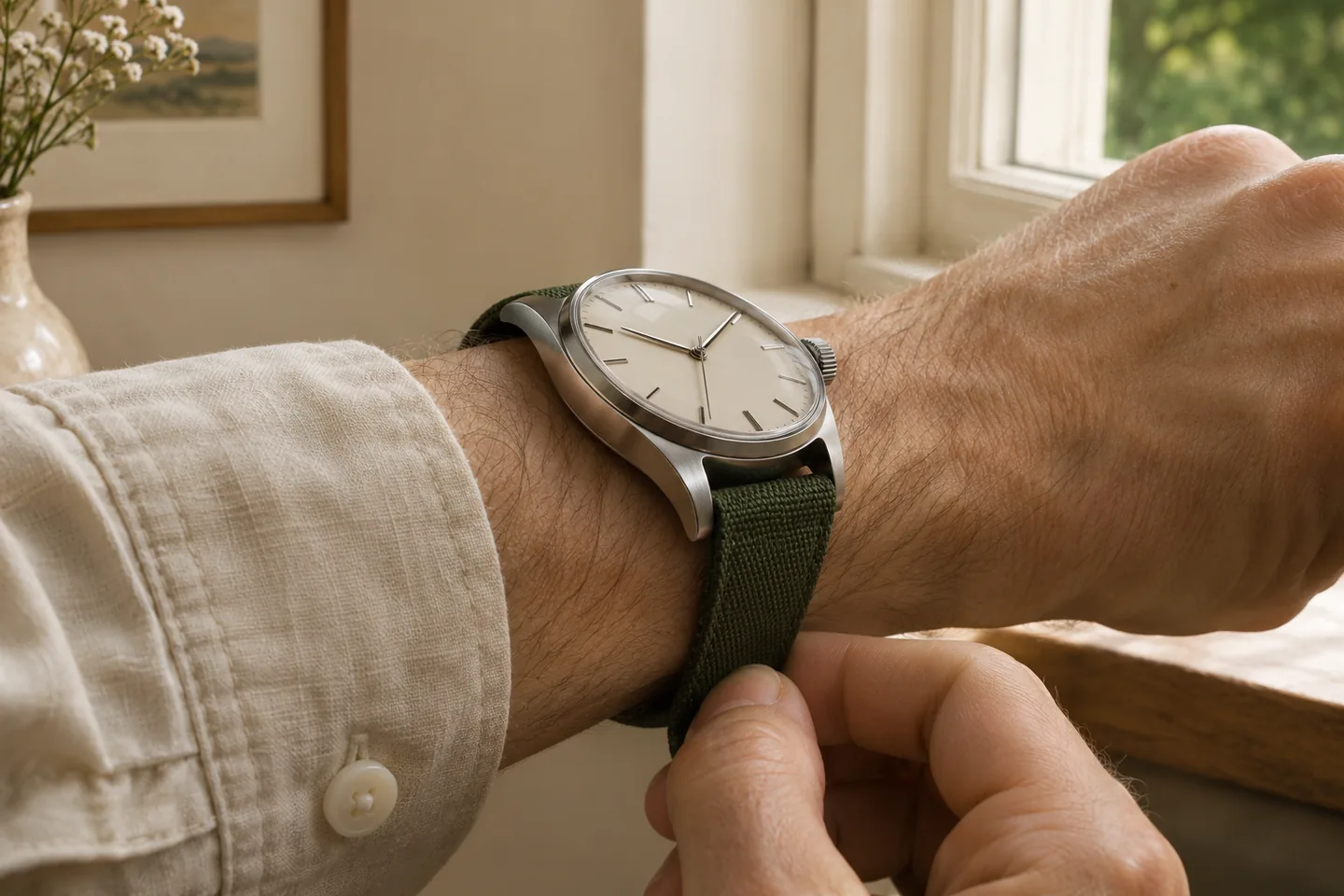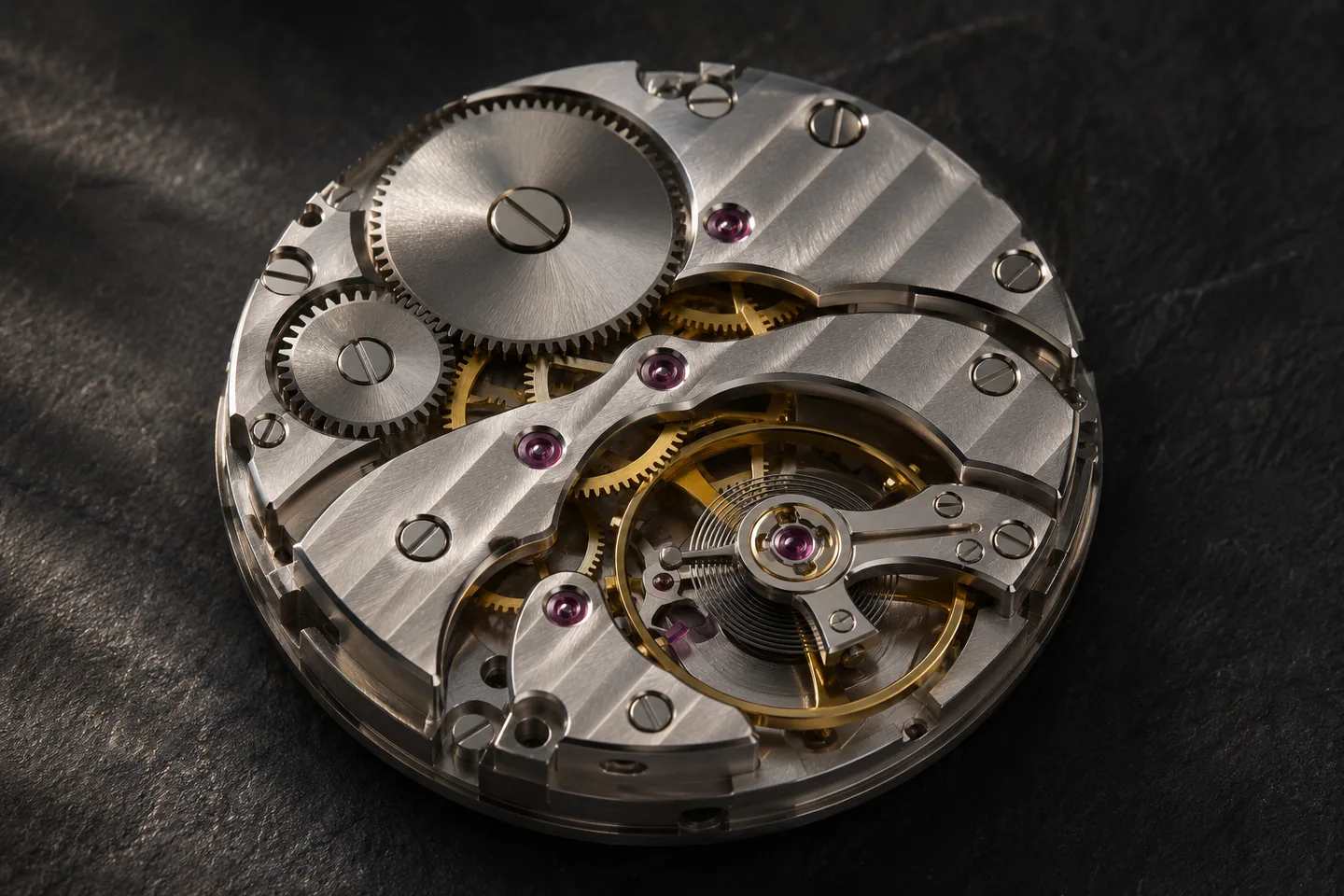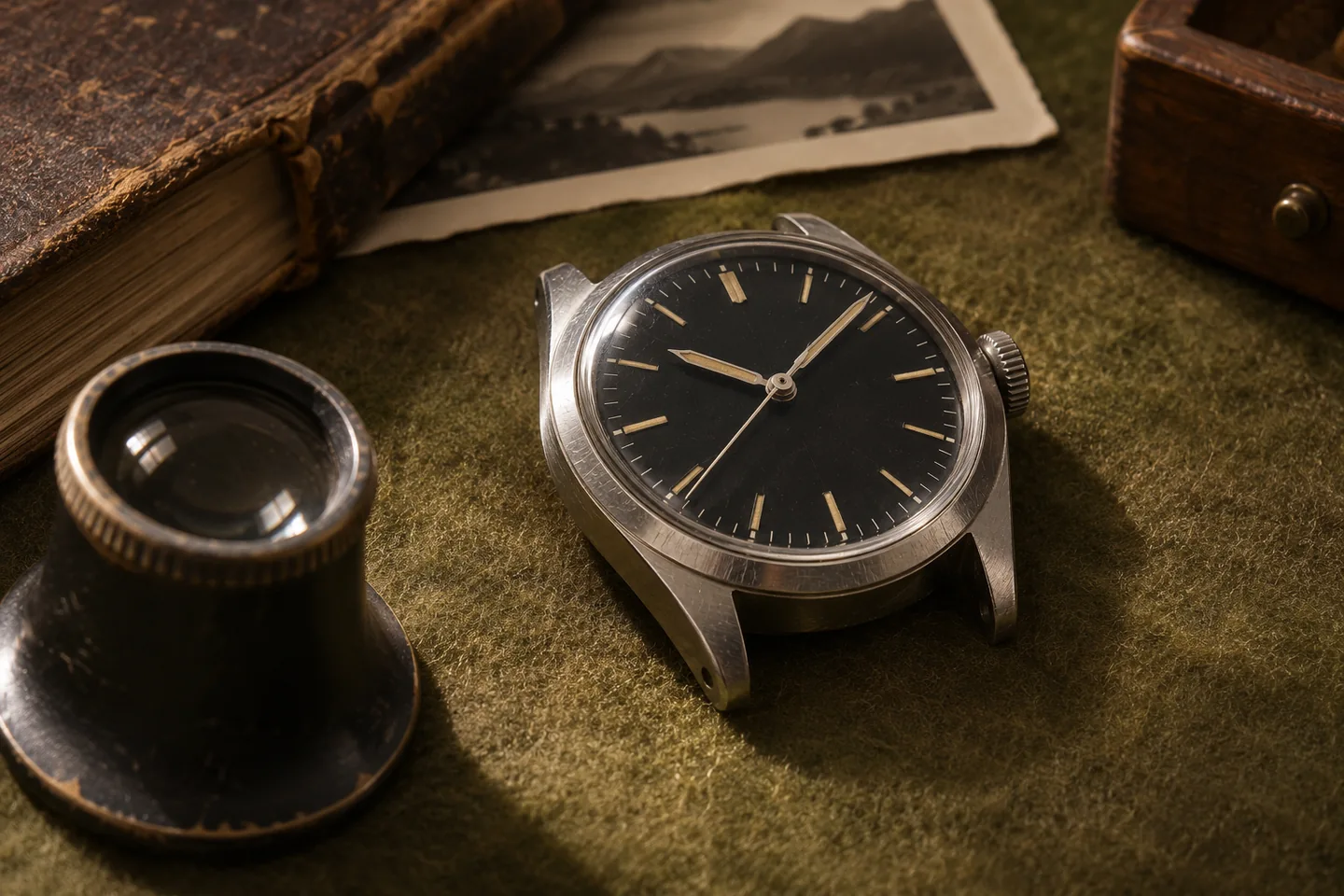
A collection can begin with one watch and stay that way for a long time. The right moment to add another comes when you can explain what it brings to your routine. It might be a thinner case, clearer reading at night or a dial you simply want to wear. It helps to know which of those things you are buying.
Start with the watch that works most days
Think about the last week, including work, travel, dinner and the weekend. Picture the same watch at each point. When would you have taken it off? If the answer is “when I needed it to fit under my cuff,” prioritise thickness. If it is “when I wanted to read the time at night,” compare legibility and lume. If you cannot find an occasion your first watch leaves uncovered, you have a good reason to wait.
Write down three personal requirements. They might be a clasp you can adjust comfortably, clear reading in shade, and maintenance at a price you can live with. Take that list when trying on another watch. It is easy to forget one of those requirements when the dial catches the light.
Look for contrast in the second watch
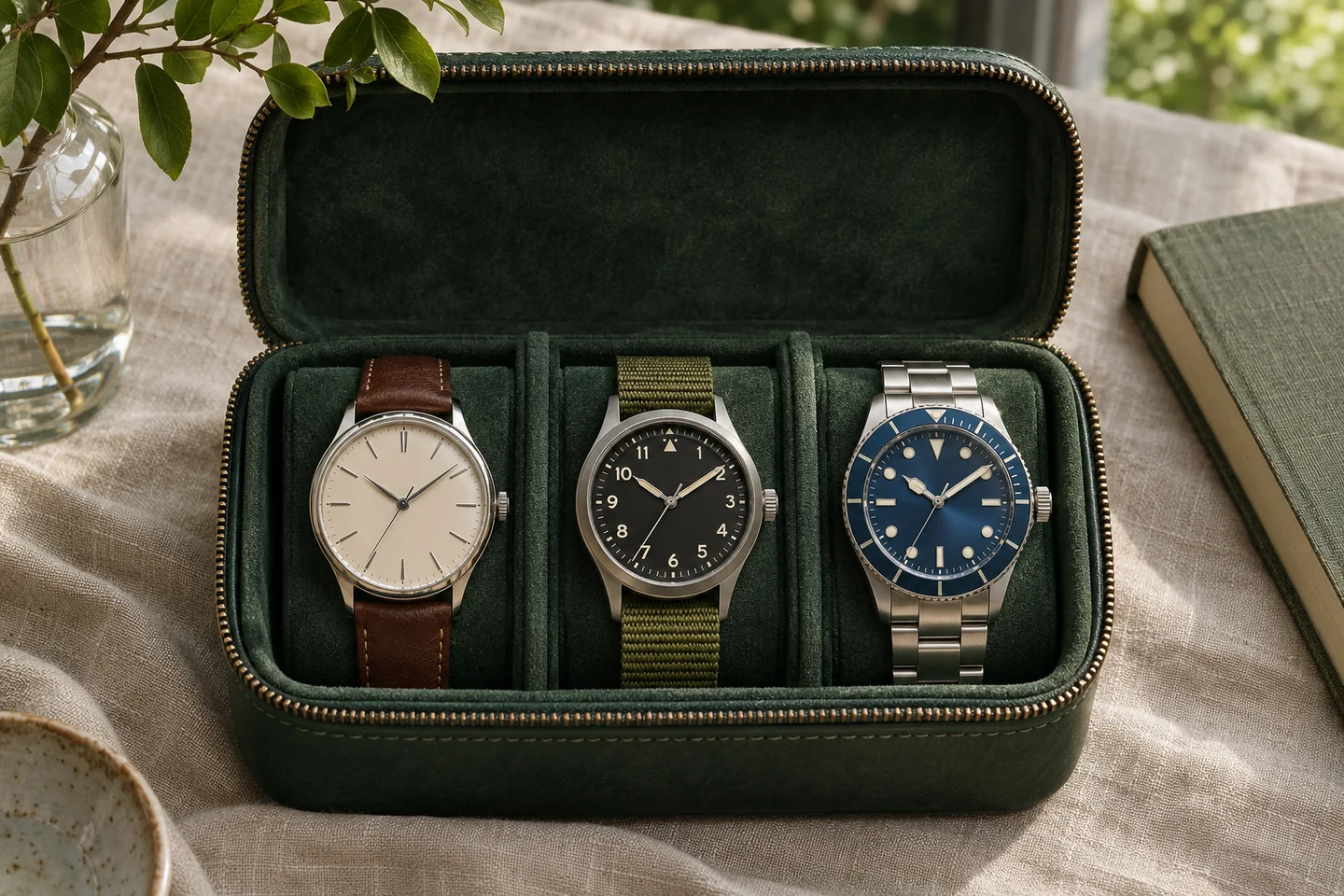
A Presage Cocktail Time is a way to explore a more expressive dial and classic styling. A hand-wound Khaki Field suggests another relationship with the watch, shaped by legibility and the act of winding. A PRX brings the experience of an integrated bracelet. These are three different ways to wear a watch. The best pairing depends on what you already own and when you wear it.
Try describing the difference in one concrete sentence before buying. “This fits under my shirts” is something you can check. If a watch feels better made, ask yourself where you notice it. It might be the clasp, the case finish or the legibility. Naming the difference helps you decide whether you will still notice it after the novelty wears off.
Budget for two years of ownership
Decide how much to put into the purchase and what you can set aside for an initial adjustment, inspection or service. If the purchase uses your entire budget, routine maintenance can become an inconvenience. For resale, weigh the paperwork, bracelet completeness, condition and the availability of comparable sales for that reference. Those factors help you assess an exit. The future price and the time needed to sell still depend on who is buying when you list it.
Review what actually gets worn
For a month, note when each watch leaves the box and why. If you rarely pick one, work out the reason before selling. A bracelet adjustment may fix discomfort. A watch you save for a special occasion might be doing precisely what you wanted. The decision becomes clearer once you distinguish an unused watch from one with a specific use.
Build the collection around real gaps
Divide a sheet into use, feel and maintenance. In the first column, note the occasions when you lack a suitable watch. In the second, describe what you want to feel or see, such as a lighter case, a textured dial or a crown that is easier to grip. In the last, write down what you are willing to care for. A light leather strap, for example, asks for a different routine from a steel bracelet.
Try three candidates and revisit the sheet before deciding. A photograph that stays with you is a good starting point. Finding a difference that will make you wear the watch gives you a more concrete reason to buy it.
Keep a record for each piece
Save the reference, photographs, bracelet setting, proof of purchase and record of the last service. Note what you know about the earlier history and what remains unconfirmed. At the workshop, you already have enough information to explain what changed. If you decide to sell, you can describe the watch with the precision you would want to see in a listing.
The next chapter is for the day the rate changes, the calendar fails or moisture appears under the crystal. The record helps give a watchmaker the information that sits between the symptom and the repair.
Back to Journal