A photograph of a pre-owned watch can hide the deepest mark on the crystal and make a scratch that barely shows on the wrist look dramatic. Inspection is a way to recover scale, understand how the piece has aged, and separate what you have verified from what remains uncertain.
Identity, authenticity and originality
A reference identifies a model configuration. A serial number usually identifies an individual watch or a component, depending on the brand and period. Compare the reference, dial, case, calibre and bracelet with reliable documentation. Where the paperwork records serial numbers, compare those too. A box and papers add context, but they can be incomplete or belong to another example.
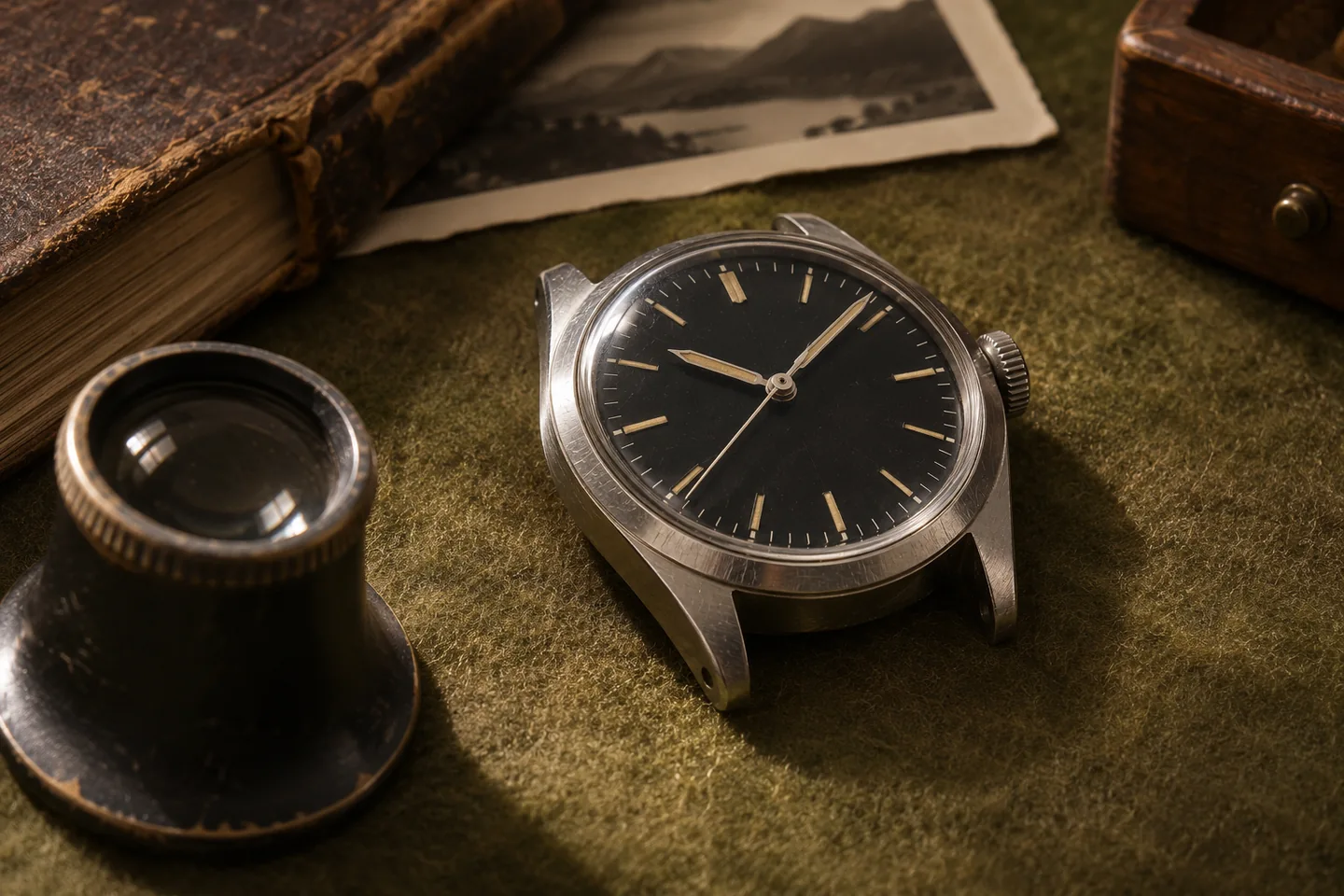
A genuine component may have been fitted after the watch first left the factory. A dial fitted at an authorised service may be genuine and still date from after the original sale. That may be fine for a watch you intend to wear. If the appeal is specifically a period dial, it can change the decision and the value. Get known replacements recorded in writing. If details are inconsistent, consider an independent inspection before paying.
The photographs to ask for
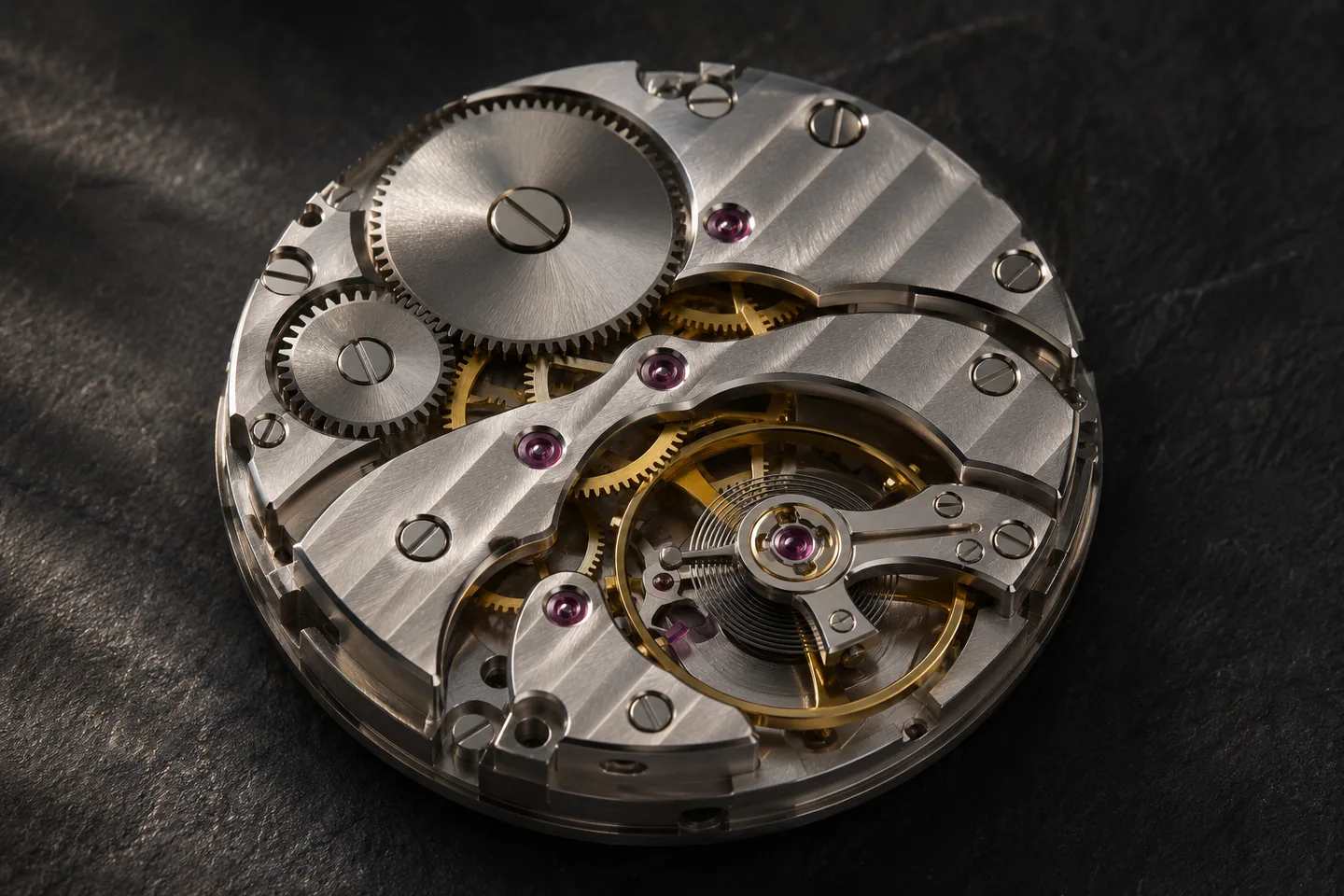
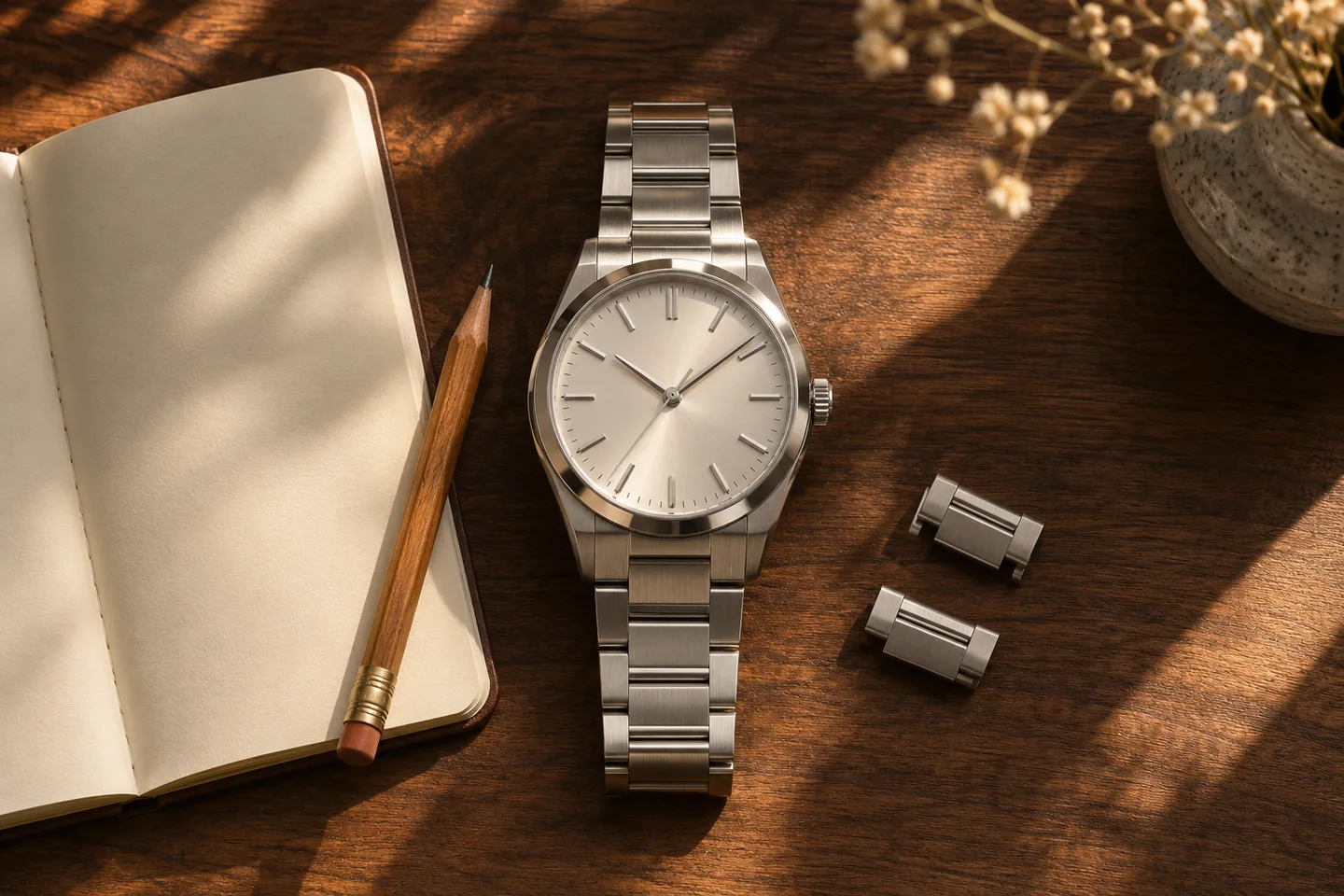
Start with the dial straight on and under angled light. Add pictures of the four lugs, both case sides, crown, caseback, bracelet and open clasp. Ask for one group photo with the box, papers and all available links. A current photo with a detail agreed with the seller helps show they have access to the watch. When opening the case is justified, leave movement inspection to a watchmaker.
On the case, look at the transition between brushed and polished surfaces. Lug symmetry and crisp edges can be informative when you know the original geometry. A case that was rounded from the factory is no proof of polishing. Check the dial for marks or differences that warrant an explanation. For the bracelet, check usable length, play and whether the clasp latches securely.
Five questions about function
Does it wind or start as described in its manual? Does the crown move smoothly between positions? Do the time and calendar set correctly? How far does it drift over a day of wear? Is there a dated service or water-resistance record? For a chronograph, also ask for a video of the start, stop and reset.
Read “serviced” as a claim that needs particulars. A dated invoice identifying the watch and the work carries more information than a label. An external clean, a regulation and a full overhaul are different jobs.
Finish with three columns
Inspect in person in the same order
Start with the watch on a stable surface. Compare it with the photographs and check the reference and accessories. Look at the crystal from the front and from the side. With the seller’s permission, try the crown and clasp gently. If you are unsure about the date change or pushers, check the calibre instructions first.
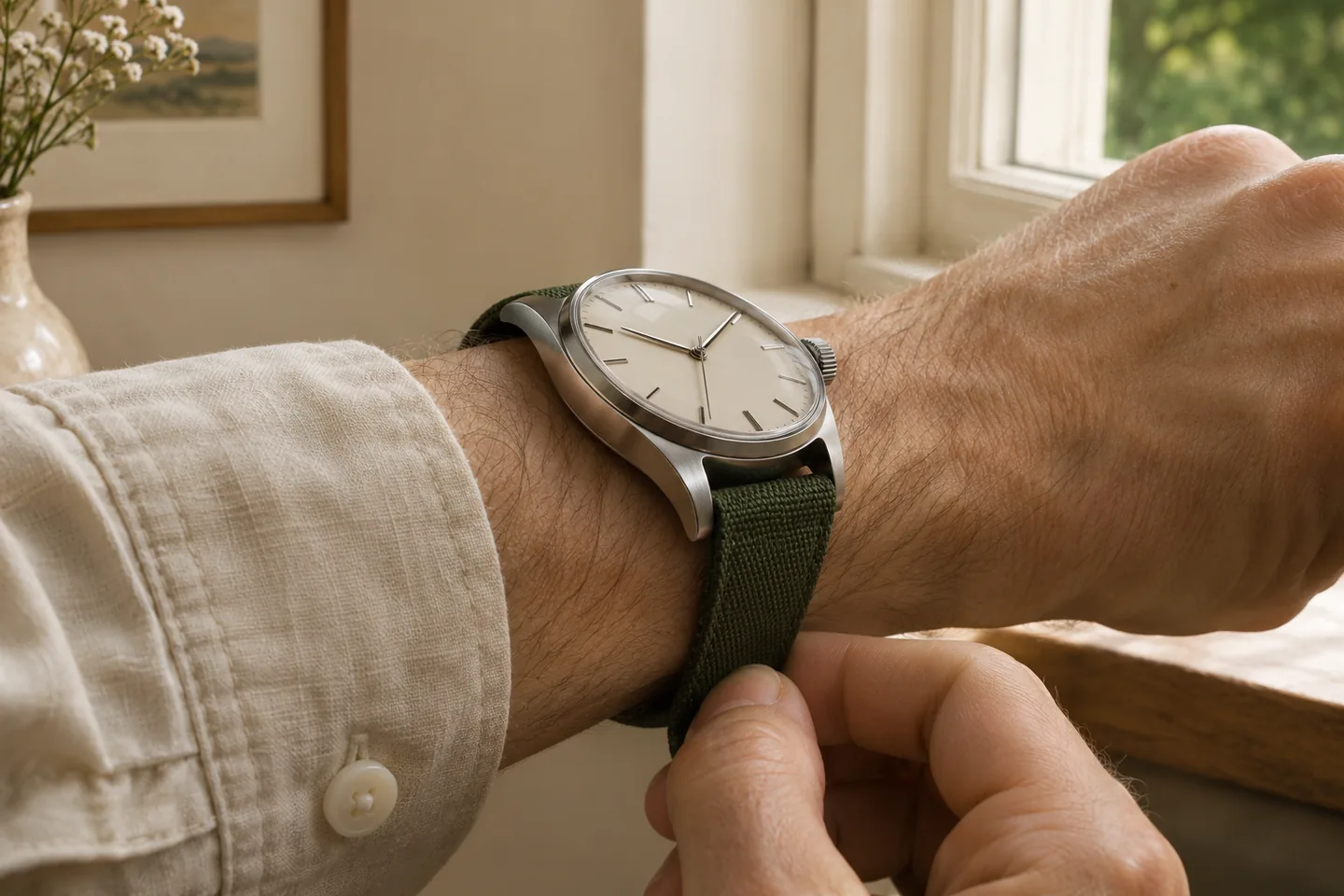
Then try it on. Make sure the included links allow a suitable fit. Check that the clasp opens under the intended pressure and latches securely. A scratch on a clasp may be cosmetic. A clasp that opens on its own makes the watch unsafe to wear until repaired. That distinction belongs in your notes and in your offer.
Decide what would stop the purchase
If the case reference, dial and paperwork tell incompatible stories, establish the history before negotiating the price. Ask for a diagnosis if you see moisture, a crown that will not engage or a jammed calendar. An internal fault may require hard-to-source parts, especially in an older calibre.
For wear you are prepared to accept, get it described in writing and, if possible, photographed with a scale. One buyer might accept a small mark on the flank and rule out a chip at the edge of the crystal. Recording location and effect on use makes for a clearer description, whether you keep the watch or sell it later.
On paper, separate “verified,” “seller’s account” and “to be checked.” You might verify the spare links in photos, have an undocumented service claim and still lack a pressure test. Decide which uncertainties you can accept and which need an in-person check. The next chapter turns that list into a budget.
Back to Journal